
- Content version
- 1.0
- Last scientific review
- مايو 2026
What's the difference between snoring and sleep apnea?
Snoring is a sound caused by vibrating tissues in the throat during sleep due to a narrowed airway.
Obstructive sleep apnea is a condition in which the airway is partially or completely blocked repeatedly during sleep, causing breathing to stop for seconds and interrupting deep sleep.
Not everyone who snores has sleep apnea, but loud, persistent snoring deserves evaluation.
What are the signs of sleep apnea?
- Loud, persistent snoring
- Breathing pauses or gasping during sleep, noticed by a bed partner
- Excessive daytime sleepiness
- Waking up unrefreshed, with morning headaches
- Frequent nighttime urination
- Poor concentration and mood changes
What are the risk factors?
- Excess weight and a large neck circumference
- Nasal obstruction
- Enlarged tonsils or a small jaw
- Sleeping on the back
- Smoking and sedative medications
- Advancing age, and men are more at risk
Why should it be treated?
Untreated sleep apnea may increase the risk of:
- High blood pressure
- Heart disease and irregular heartbeat
- Stroke
- Difficulty controlling diabetes
- Traffic and workplace accidents due to sleepiness
How is it diagnosed?
- History and examination, including of the nose and throat.
- Sleep study: records breathing and oxygen levels during sleep. May be done at home with a simple device, or in a sleep lab.
The study determines whether sleep apnea is present and its severity, which guides the treatment plan.
What are the treatment options?
Lifestyle changes
Weight loss, sleeping on your side, avoiding sedatives, and quitting smoking. Weight loss can significantly improve the condition.
Continuous positive airway pressure (CPAP)
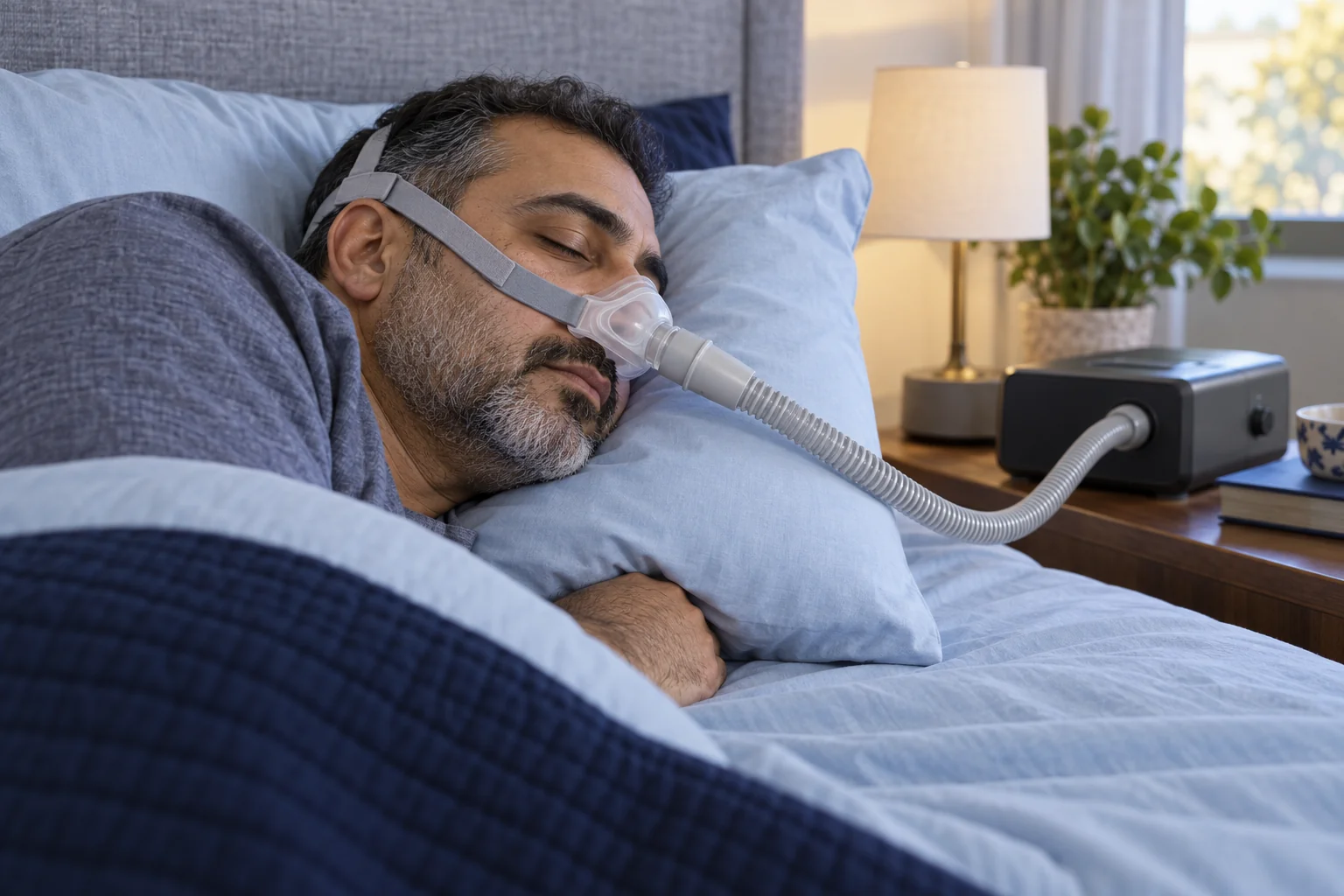
A mask worn during sleep that gently pushes air to keep the airway open. It is the most effective treatment for moderate and severe cases. It takes weeks to adjust to, and your medical team will help you choose the right mask.
Oral appliance
A device worn on the teeth that slightly advances the lower jaw, suitable for some mild to moderate cases.
Surgery
For select patients — such as treating nasal obstruction or enlarged tonsils, other throat or jaw procedures, or a tongue nerve stimulation device for those who can't tolerate CPAP.
Tips for better sleep
- Sleep on your side instead of your back.
- Keep a regular sleep schedule.
- Avoid heavy meals before bed.
- Avoid sedatives and tranquilizers without consulting your doctor.
- Treat nasal obstruction or allergies if present.
- If prescribed CPAP, use it every night.
Snoring surgery alone may reduce the sound of snoring but doesn't always treat sleep apnea. That's why a sleep study is performed before any surgery.
When should I see a doctor?
- If someone notices your breathing stopping during sleep.
- If you feel excessively sleepy during the day despite adequate sleep.
- If you have high blood pressure that's difficult to control.
- If your snoring affects the sleep and life of those around you.
- If your child snores, see the booklet on enlarged tonsils and adenoids in children.
Sleepiness while driving is a real danger
If you feel sleepy while driving, pull over in a safe place. Don't drive if you're dozing off unintentionally during the day until you've been treated.
Remember
- Loud snoring with breathing pauses or sleepiness needs evaluation.
- A sleep study is the basis of diagnosis.
- Treatment improves energy, concentration, and heart health.
- Don't drive while feeling sleepy.
This information is for health awareness and education, and does not replace a doctor's consultation or direct medical assessment.
Prepared by: Saudi Society of Otolaryngology–Head & Neck Surgery · Version 1.0 · Last reviewed: May 2026 · saudiorl.com